December 20, 2025
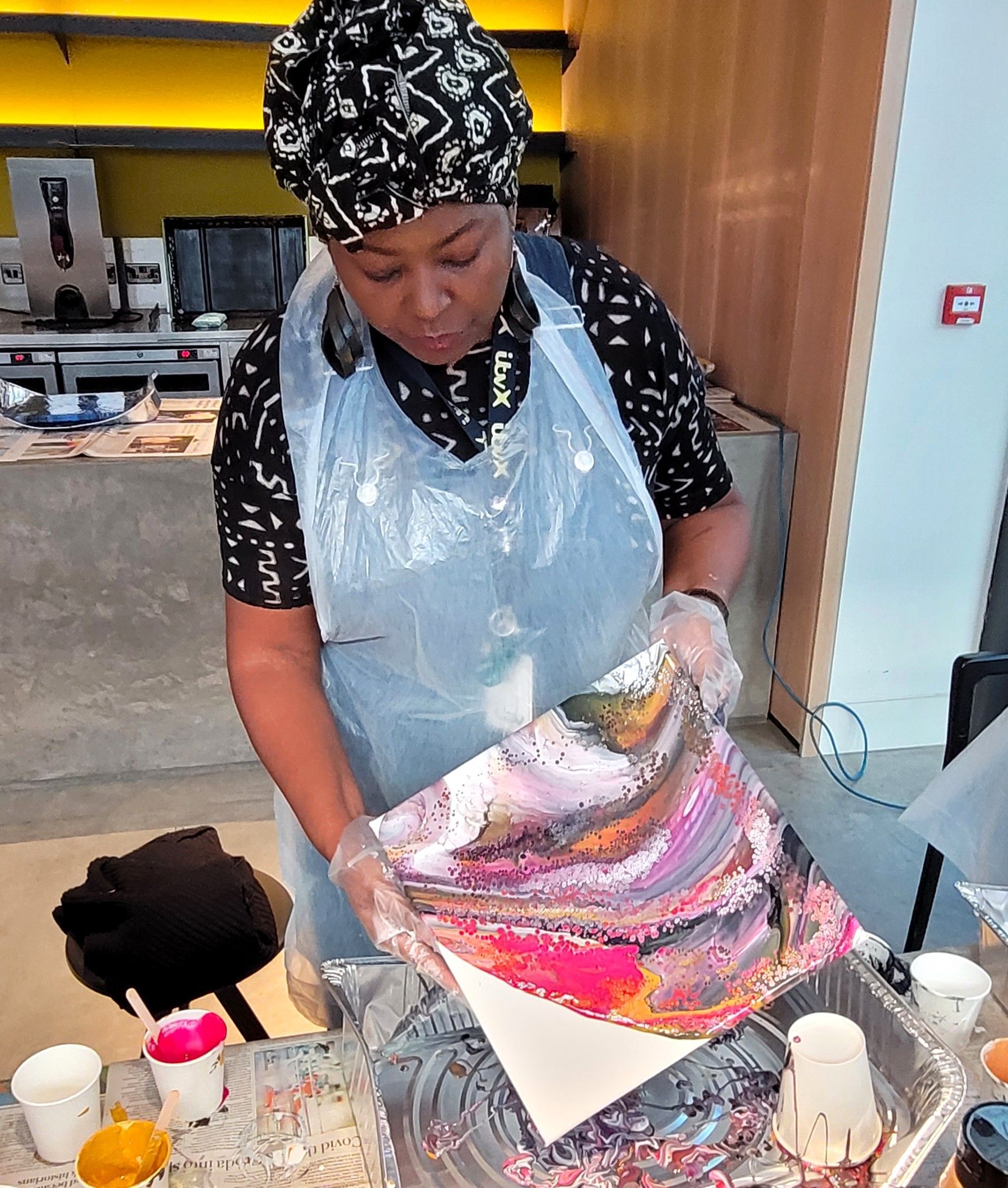
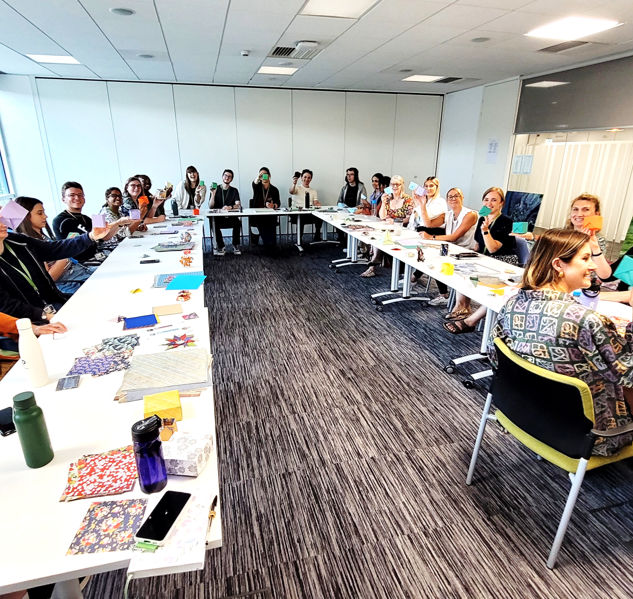
In many organisations, team building is treated as a one-off: a single workshop, an annual away day, or a calendar-tick exercise designed to “boost morale.” While these moments can be enjoyable, their impact often fades quickly once teams return to inboxes, deadlines and day-to-day pressures. Ongoing creative experiences offer something different and far more valuable. Creativity Builds Capability, Not Just Morale When teams engage in creative activity on a regular basis, they are not simply taking a break from work. They are actively strengthening skills that underpin high performance in the workplace: problem-solving, adaptability, collaboration and confidence. Creativity encourages people to think differently, experiment without fear of failure and approach challenges with curiosity rather than caution. Over time, these behaviours translate directly into how colleagues communicate, innovate and support one another at work. Connection Deepens Over Time True team connection is not built in a single session. It develops through repeated shared experiences where colleagues interact outside of hierarchy, job titles and performance expectations. Ongoing creative workshops allow relationships to grow organically. As teams return to new activities throughout the year, familiarity increases, psychological safety improves and participation becomes more natural. Colleagues who may be quiet in meetings often flourish in creative settings, leading to stronger, more inclusive team dynamics back in the workplace. Wellbeing Is a Practice, Not an Event Employee wellbeing is most effective when it is embedded into culture, not delivered as a standalone initiative. Creative activity has been shown to reduce stress, improve focus and increase feelings of accomplishment, particularly when learning a new skill. By offering creativity regularly, companies signal that wellbeing is an ongoing priority. Teams benefit from structured moments of calm, concentration and achievement, helping to counterbalance fast-paced, screen-heavy working environments. Sustained Engagement Delivers Greater Return From a practical perspective, ongoing creative programmes offer greater return on investment than isolated events. Rather than a single spike in engagement, organisations benefit from momentum across the year—each session reinforcing the last. Teams remain curious, motivated and engaged, while leaders gain a flexible, scalable way to support culture, retention and collaboration without repeatedly starting from scratch. A Strategic Approach to Team Development Investing in ongoing creativity positions team building as a strategic tool rather than a perk. Quarterly workshops or full creative away days can be aligned with organisational goals, seasonal pressures or periods of change—whether that’s onboarding, restructuring, hybrid working or wellbeing initiatives. This approach allows creativity to support the business in a meaningful, measurable way, while still being enjoyable, accessible and inclusive for all participants. Organisations that invest in ongoing creative experiences don’t just create happier teams; they build stronger, more resilient and more connected ones.