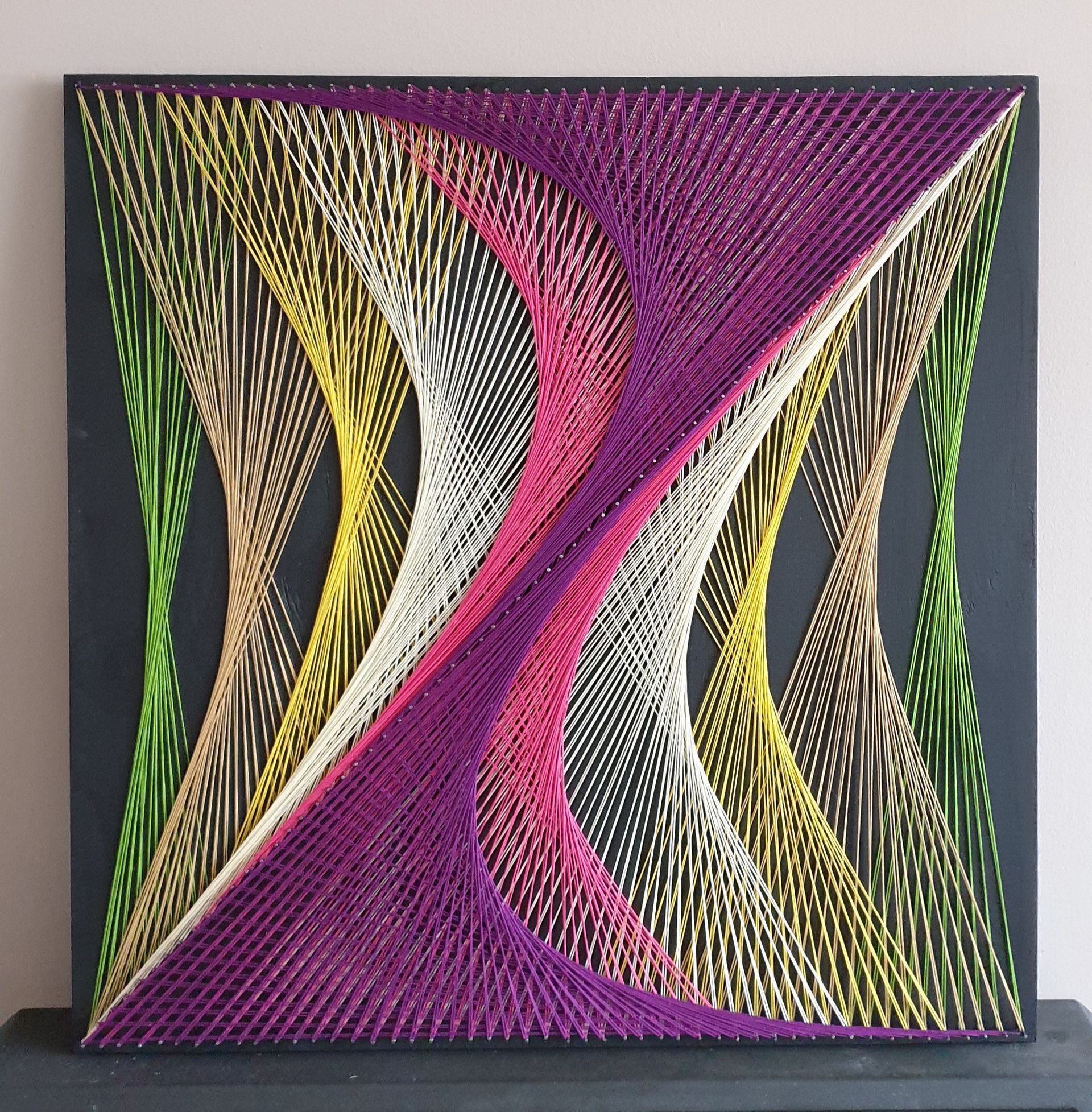

Creativity And Neurodiversity
The Therapeutic Benefits of Crafting for Neuro-Diverse Individuals
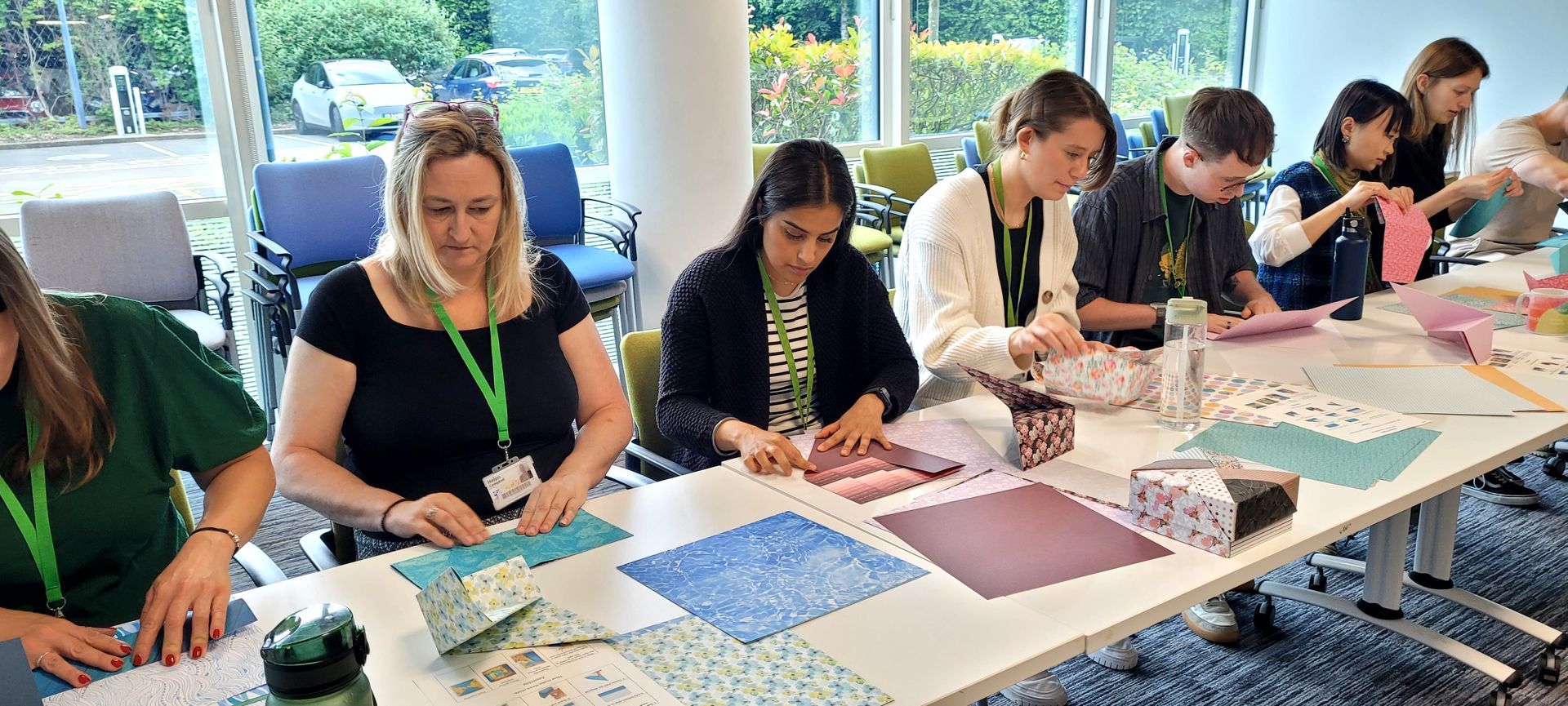
Crafting provides a particularly powerful therapeutic outlet for neuro-diverse individuals, offering a structured yet creative space that supports various cognitive styles and sensory needs.
For those with autism spectrum conditions, ADHD, dyspraxia and other neuro-divergent profiles, crafting activities can serve as both calming rituals and stimulating challenges that work in harmony with their unique neurological makeup.
Emotional Regulation and Stress Reduction
The repetitive, rhythmic nature of many crafting activities such as knitting, crochet, or weaving, activates the parasympathetic nervous system, helping to reduce levels of cortisol (the stress hormone) whilst increasing production of serotonin and dopamine.
This biochemical shift is particularly beneficial for neuro-diverse individuals who may experience heightened anxiety, emotional dysregulation, or sensory overload. The predictable patterns in crafting provide a soothing structure that can help manage overwhelming emotions and establish a sense of control.
- Neurological Benefits
Crafting engages multiple brain regions simultaneously, strengthening neural pathways and promoting cognitive flexibility
- Emotional Benefits
Creates a safe outlet for emotional expression and processing of complex feelings
- Temporal Benefits
Offers opportunities for experiencing 'flow-state' where time perception shifts, providing relief from racing thoughts
- Physical Benefits
Develops fine motor coordination and provides proprioceptive feedback that grounds the nervous system
Research from the University College London shows that crafting activities can significantly lower heart rate and blood pressure, with effects comparable to meditation practices. For neuro-diverse individuals who may struggle with traditional meditation, crafting offers an accessible alternative pathway to mindfulness; one that accommodates movement needs and provides tangible outcomes that reinforce feelings of accomplishment and self-efficacy.
The structured yet creative nature of crafting strikes a unique balance that caters well to neuro-diverse minds. While providing clear parameters and predictable processes that reduce anxiety, crafting simultaneously offers endless possibilities for personalisation and self-expression, allowing neuro-diverse individuals to explore their creativity in a way that feels safe and manageable.
Sensory Stimulation and Regulation Through Crafting
- Meeting Sensory Needs
Crafting activities provide a rich tapestry of sensory experiences that can be particularly beneficial for neuro-diverse individuals.
Many neurodivergent people experience sensory processing differences, either seeking additional sensory input or finding certain sensations overwhelming.
Crafting offers a controlled environment where individuals can engage with sensory stimuli on their own terms. The tactile nature of materials such as yarn, fabric, clay, or paper provides proprioceptive feedback that can be both organising and calming for the nervous system.
For those who seek sensory stimulation, textured craft materials like chunky wool, corrugated paper, or rough ceramics can offer the needed sensory input in a productive context. Conversely, those who experience sensory sensitivity can choose materials that meet their comfort needs, such as smooth papers or soft yarns. The multisensory nature of crafting engages several senses simultaneously; touch, sight, sometimes sound and smell, providing integrated sensory experiences that help with sensory regulation.
This multisensory integration is particularly valuable for neuro-diverse individuals who may struggle with processing sensory information cohesively.
Sensory Regulation Through Different Craft Forms
- Textile Arts
Activities like knitting, crochet, and weaving provide rhythmic, repetitive movements coupled with tactile stimulation. The consistent pressure of holding needles or hooks can be calming, while the texture of different yarns offers varied sensory feedback. The gentle clicking of knitting needles provides auditory stimulation at a predictable, non-jarring frequency.
- Clay Work
Working with clay offers intense proprioceptive input through kneading, squeezing, and rolling. The resistance of the clay provides feedback to muscles and joints, helping with body awareness. Clay work can be especially beneficial for those who seek deep pressure stimulation, as it requires applying significant force to manipulate the material.
- Paper Crafts
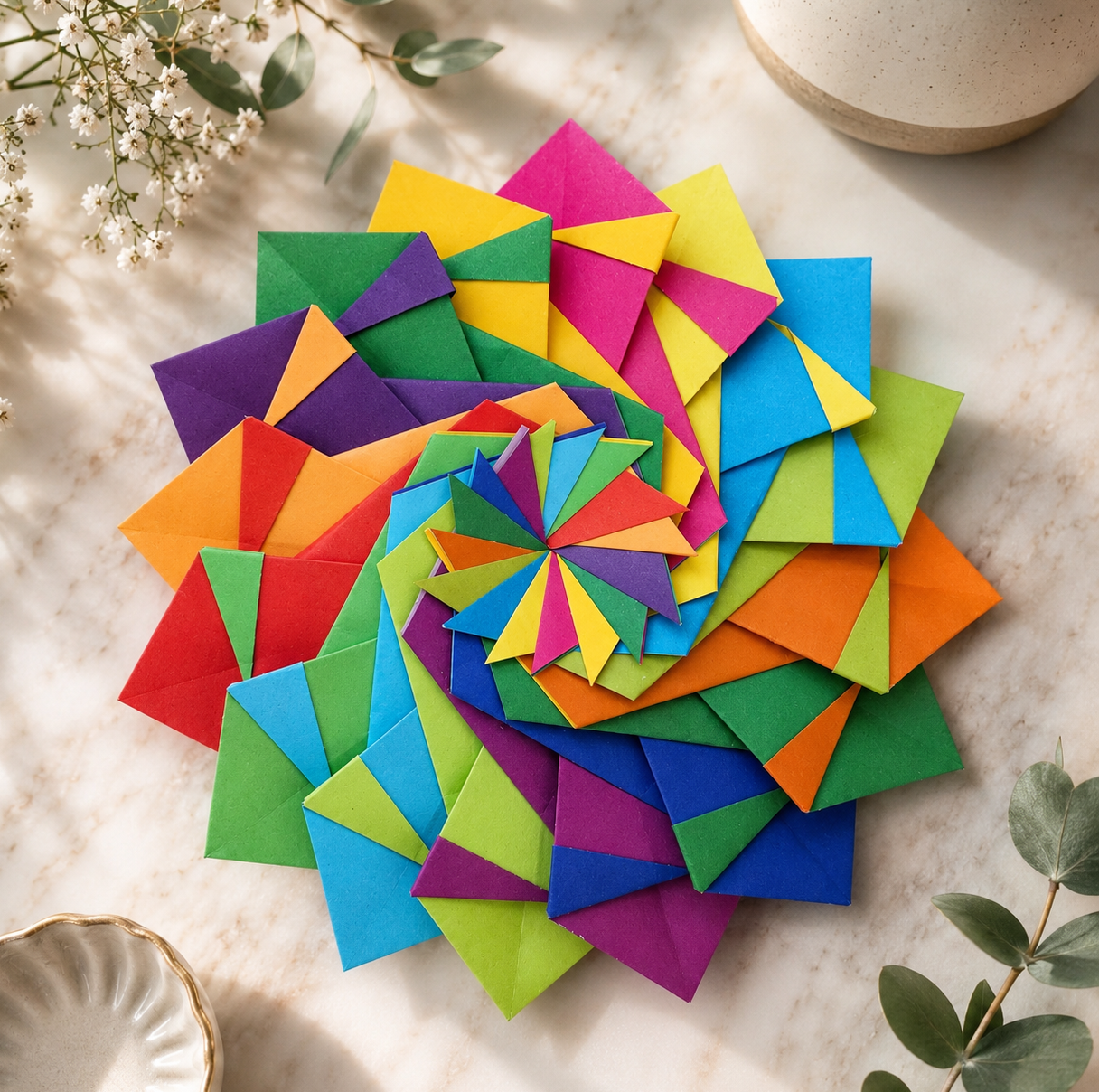
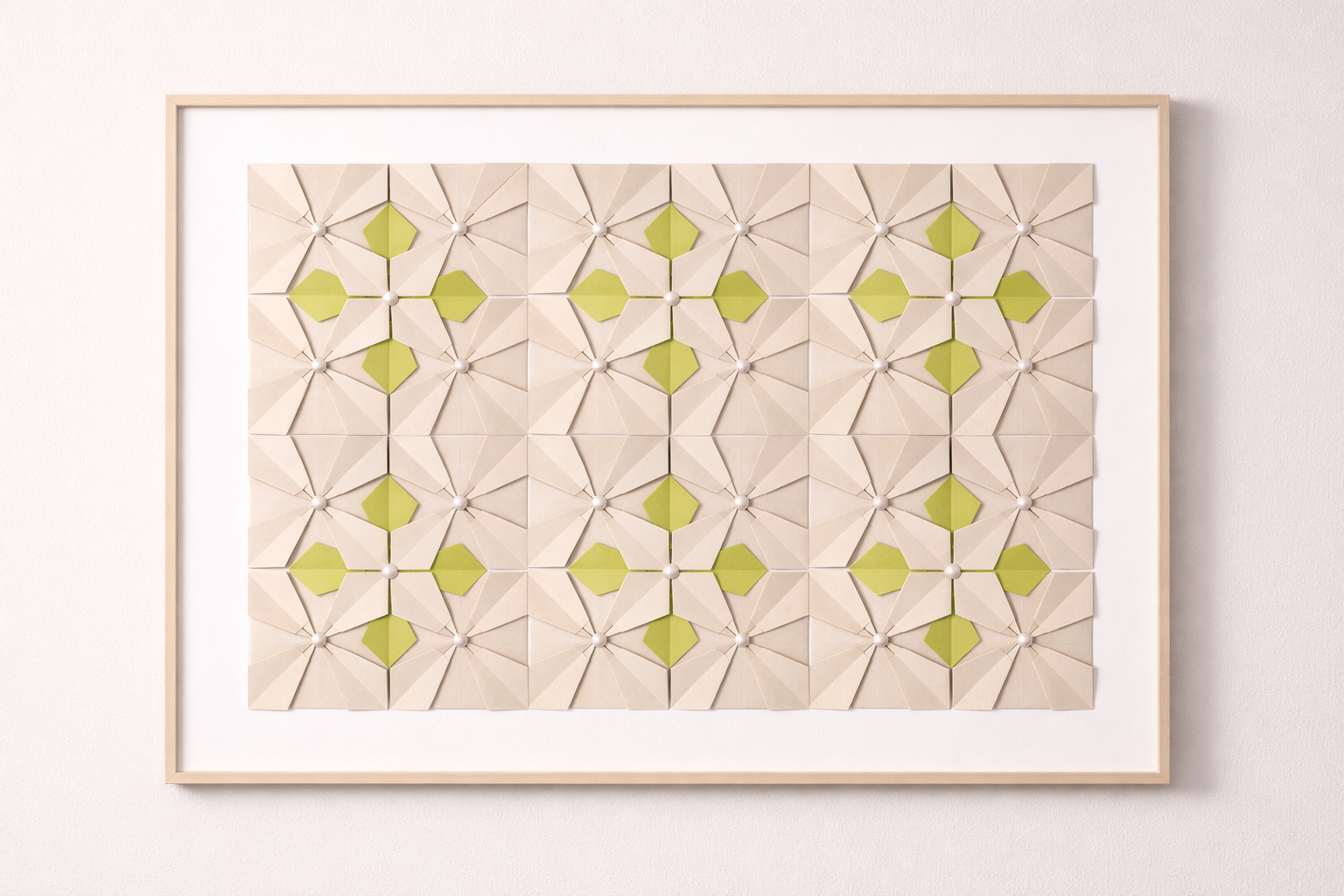
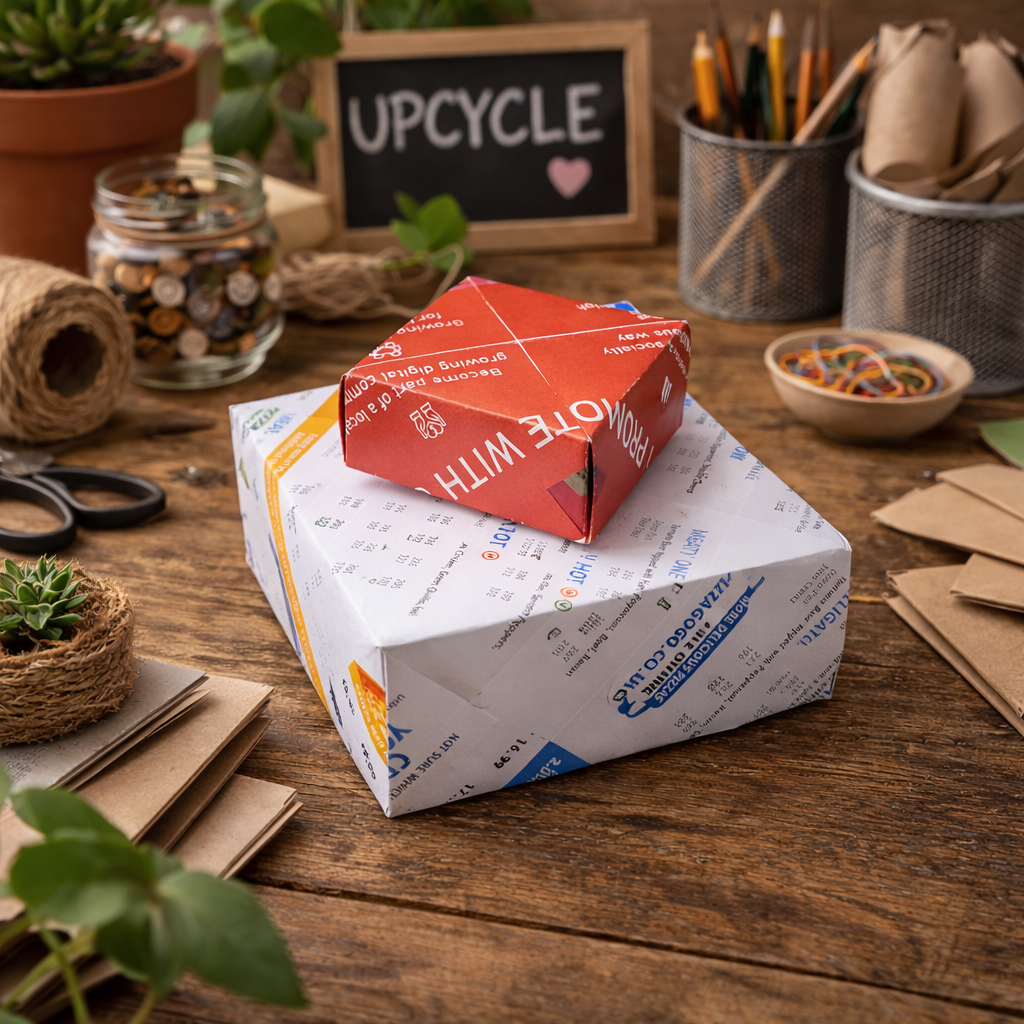
From origami to collage, paper crafts offer a range of sensory experiences from the smooth glide of scissors through paper to the precise folding of origami. The crispness of a clean fold or the distinctive sound of cutting paper can provide satisfying sensory feedback for those who enjoy more defined, predictable sensory experiences.
The ability to customise the sensory aspects of crafting is perhaps its greatest strength for neuro-diverse individuals. Unlike environments where sensory input is unpredictable or overwhelming, crafting allows for careful curation of sensory experiences. Individuals can choose materials, tools, and crafting environments that match their specific sensory profiles, whether they need more stimulation or less, whether they prefer certain textures over others, or whether they seek particular types of movement.
Moreover, engaging in crafting can help neuro-diverse individuals develop greater awareness of their sensory preferences and needs, empowering them to advocate for themselves in other contexts. The pleasure derived from finding the right sensory match in crafting materials can translate to greater confidence in seeking appropriate sensory accommodations in daily life.
Developing Fine Motor Skills and Cognitive Function
Crafting activities offer exceptional opportunities for neuro-diverse individuals to develop and refine fine motor skills while simultaneously engaging and enhancing various cognitive functions. Many neurodivergent people experience challenges with motor planning, coordination, and executive functioning, all of which can be supported through regular engagement with craft practices.
- Fine Motor Development
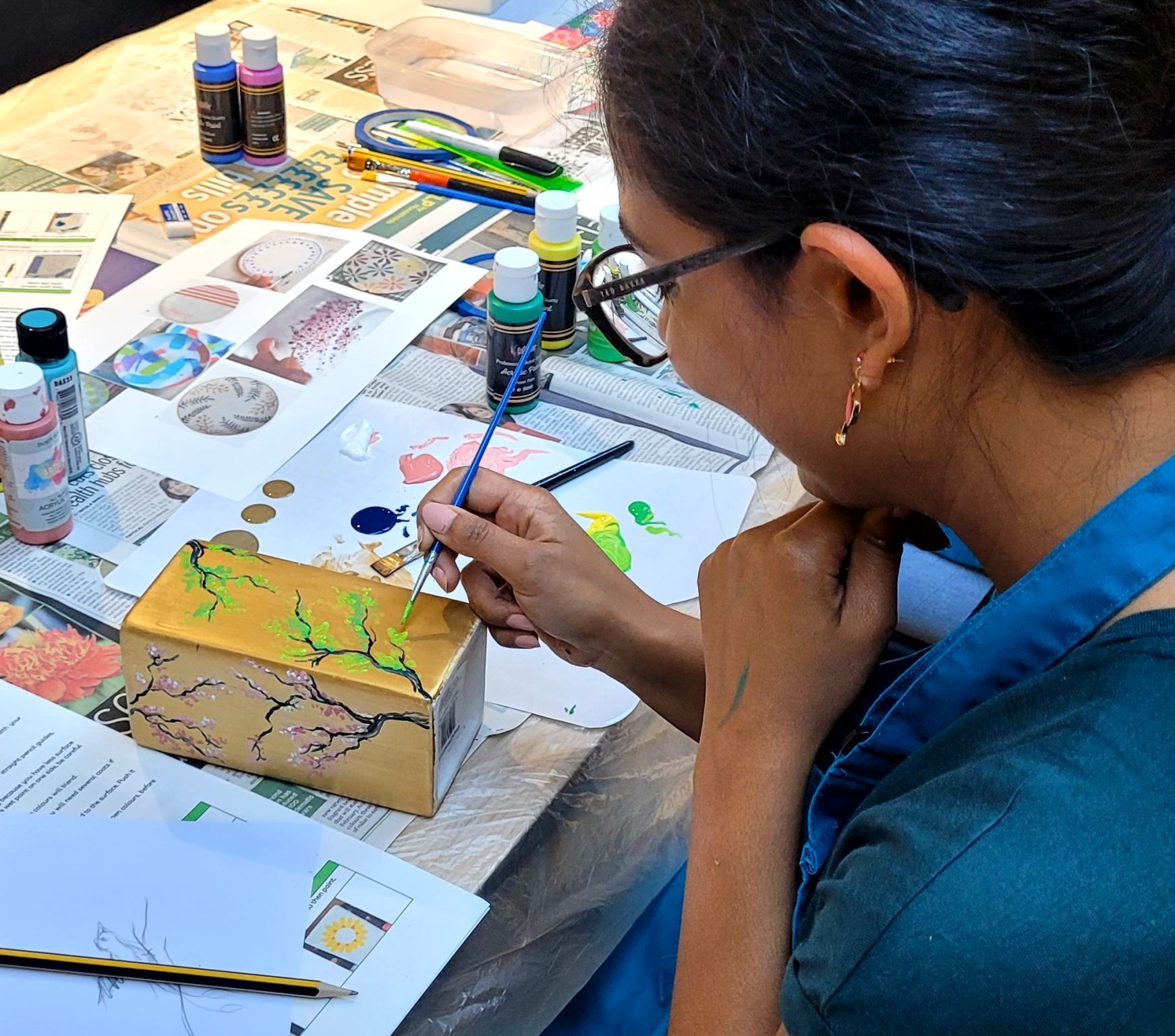
The precise movements required in crafting4whether threading a needle, manipulating small beads, controlling a paintbrush, or using scissors, provide natural, enjoyable practice for fine motor skills. Unlike conventional therapy exercises that might feel repetitive or purposeless, crafting embeds these movements within meaningful creative activities, increasing motivation and engagement. For individuals with dyspraxia, autism, or other conditions that affect motor coordination, craft activities offer a patient, self-paced environment for motor skill development.
Cognitive Benefits of Crafting Problem-Solving Skills
Crafting regularly presents novel challenges that require creative solutions. Whether determining how to join different materials, adjusting a pattern that isn't working, or troubleshooting a technical issue, crafters develop robust problem-solving abilities through their practice. This is particularly valuable for neuro-diverse individuals who benefit from strengthening flexible thinking patterns.
Executive Functioning
Complex craft projects naturally support executive function development through planning, sequencing, and organising. From gathering materials to following multi-step instructions to completing a project over time, crafting requires and therefore enhances the very executive skills that many neuro-diverse individuals find challenging.
Sustained Attention
Crafting activities can induce a state of flow - complete absorption in an activity - which helps build attention span and concentration.
For individuals with ADHD or attention differences, crafting provides an engaging context where sustaining focus feels natural rather than forced, gradually building concentration capacity.
Spatial Reasoning
Many crafts require understanding threedimensional relationships, pattern recognition, and spatial manipulation. Whether following a sewing pattern, constructing a model, or arranging elements in a composition, crafters develop sophisticated spatial reasoning abilities essential for numerous real-world applications. The cognitive benefits of crafting extend beyond these specific skills to overall brain health.
Research published in the Journal of Neuropsychiatry suggests that engaging in complex crafting activities may help create and maintain neural pathways, potentially offering protection against cognitive decline. For neuro-diverse individuals, this means crafting can be both immediately beneficial for current cognitive functioning and potentially protective for long-term brain health. Importantly, crafting provides cognitive challenges in a forgiving environment where mistakes are expected and often easily corrected. This creates an ideal learning context for neuro-diverse individuals who may experience anxiety around performance or perfectionism.
The iterative nature of crafting, where techniques are practised repeatedly and gradually improved, aligns perfectly with the learning needs of many neurodivergent people, allowing for mastery through repetition and gradual challenge progression.
Social Connection and Self-Expression in Crafting Communities
For neuro-diverse individuals, traditional social settings can present significant challenges. Social interactions often require navigating complex unwritten rules, interpreting subtle nonverbal cues, and processing multiple streams of information simultaneously4all of which can be overwhelming or difficult for many neurodivergent people.
Crafting communities offer a uniquely accessible alternative for building meaningful social connections.
The Power of Shared Focus
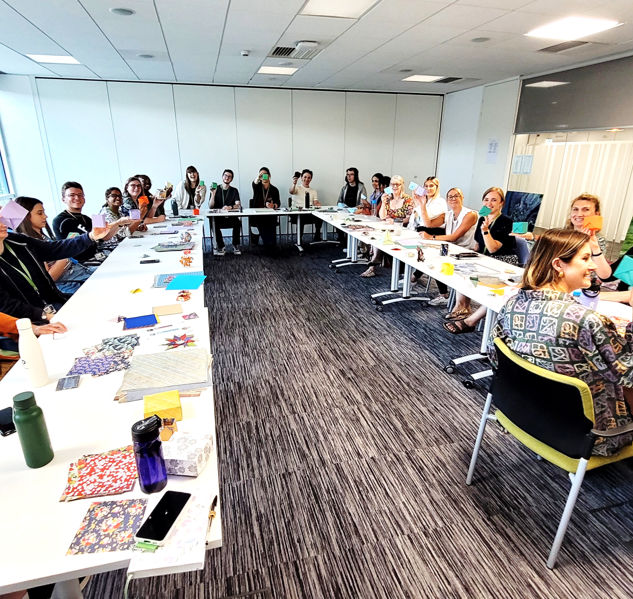
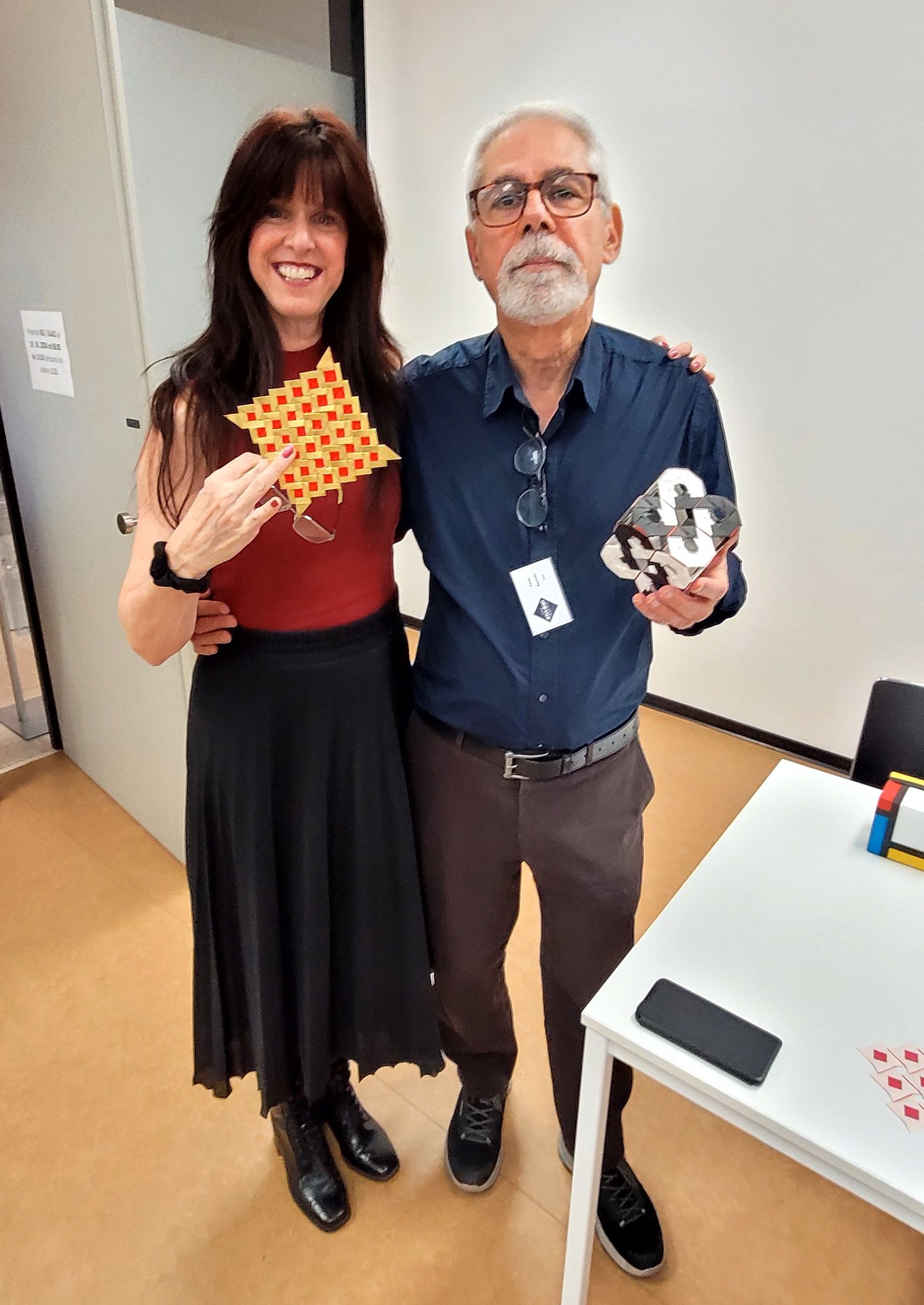
Craft groups provide a structured social context with a shared external focus. Unlike typical social gatherings where conversation itself is the primary activity, crafting groups centre around a common task. This shared focus creates natural conversation opportunities without the pressure of maintaining eye contact or constant verbal exchange. For individuals with autism spectrum conditions or social anxiety, this format can significantly reduce social stress whilst still fostering genuine connection. The parallel nature of many crafting activities, where participants work alongside each other on their individual projects, allows for comfortable silence and natural breaks in conversation. This creates a more accessible rhythm of interaction that accommodates those who need more processing time or experience social fatigue.
Online crafting communities have further expanded access to social connection for neuro-diverse crafters. These digital spaces allow individuals to engage at their own pace, with the option to step back when needed without drawing attention.
Text-based communication in these communities eliminates the challenges of interpreting facial expressions and tone of voice, creating a more accessible social experience for many. Identity and Self-Expression Perhaps most significantly, crafting provides a powerful medium for self-expression and identity formation for neurodiverse individuals. Through their creative choices, materials, colours, techniques, and themes, neurodivergent crafters can communicate aspects of their identity and perspective that might be difficult to express verbally.
For many neuro-diverse individuals, crafting also offers a path to reclaiming narrative around disability and difference. Through practices like craftivism (craft activism), neurodivergent creators can challenge stereotypes, express their unique perspectives, and advocate for acceptance and accommodation. The tangible nature of crafted objects also creates unique opportunities for connection. Handmade gifts allow for expressing care and building relationships in ways that may feel more accessible than verbal expressions of affection.
Research from the University of Wolverhampton suggests that participation in craft communities significantly reduces feelings of isolation and increases sense of belonging for neuro-diverse individuals. The combination of accepting social environments, shared interests, and opportunities for non-verbal connection makes crafting communities uniquely valuable social spaces for many neurodivergent people.
Identity Exploration
Crafting allows safe experimentation with different aspects of personal identity.
Non-verbal Communication
Creative works speak when words may be challenging.
Finding Like Minds
Crafted objects help identify others with shared interests and perspectives.
External Validation
Appreciation of crafted work validates the creator's perspective and abilities.
Practical Tips for Inclusive Crafting Experiences
Creating truly inclusive crafting environments requires thoughtful consideration of the diverse needs and preferences of neuro-diverse individuals. Whether you're a parent, educator, therapist, or community organiser, these practical strategies can help make crafting accessible and enjoyable for people across the neurodiversity spectrum.
Sensory Considerations Environment
Offer adjustable lighting options, including natural light and softer alternatives to fluorescent lighting Create spaces with different noise levels, including quiet zones and areas where conversation is welcome Consider providing noise-cancelling headphones or earplugs for those sensitive to sound. Minimise strong smells from adhesives or other craft materials; offer fragrance-free alternatives.
Materials
Provide a variety of texture options for each project (e.g., both smooth and textured papers, different weights of yarn). Offer alternative tools for those with sensory sensitivities (e.g., scissors with different handle materials, brushes with various grip styles). Label materials clearly with their sensory properties to allow informed choices. Have sample materials available to touch before committing to a project.
Pacing
Allow participants to take breaks as needed without drawing attention. Create a designated "sensory break" space with calming materials Avoid time pressure whenever possible; offer take-home options for unfinished projects. Consider session length carefully; shorter, more frequent sessions may work better than marathon crafting events.
Communication and Instruction Adaptations
Clear, accessible communication is essential for inclusive crafting. Offer instructions in multiple formats to accommodate different learning styles and processing needs. Visual step-by-step guides with photographs or illustrations can supplement written instructions. Video tutorials that can be paused, rewound, and watched repeatedly allow self-paced learning. Consider creating both simplified instructions for beginners and detailed versions for those who prefer comprehensive information.
When teaching in person, demonstrate techniques slowly and be prepared to repeat demonstrations without frustration. Use literal language and avoid idioms or expressions that may be confusing. Create a communication environment where questions are welcomed and never dismissed. Some participants may prefer written questions or may need time to process before asking for clarification.
Adaptive Tools and Modifications
Invest in adaptive craft tools such as ergonomic scissors, needle threaders, yarn guides, and grip adaptors. Offer a range of alternatives for different hand sizes, strengths, and coordination levels. Consider how projects can be modified to accommodate different abilities while preserving the core creative experience.
Flexibility and Choice
Build choice into every aspect of the crafting experience. Allow participants to select materials, techniques, difficulty level, and working pace.
Measuring Success
Redefine what "success" looks like in crafting. Focus on the process rather than the product, celebrating engagement, problem-solving, and personal expression. Recognise that learning new skills may take different amounts of time for different people, and that consistency of practice often matters more than rapid mastery.
Finally, involve neuro-diverse individuals in planning and evaluating crafting programmes. Their lived experience offers invaluable insights that theoretical knowledge cannot provide. Remember that neurodiversity encompasses a wide spectrum of experiences; what works well for one person may not work for another.
The most inclusive approach is one that remains flexible, responsive, and committed to ongoing learning and adaptation. own from a different source.